Bento Cake For Beginners: 5 Foolproof Recipe Tips
Did you know that search interest for “miniature desserts” and “lunchbox cakes” has surged by over 220% on social platforms in the last two years? This data point isn’t just a trend; it highlights a shift in how we celebrate—moving away from massive sheet cakes toward personalized, intimate sweet treats. But here is the question that challenges the home baker’s status quo: Does a cake need to be big to be impactful?
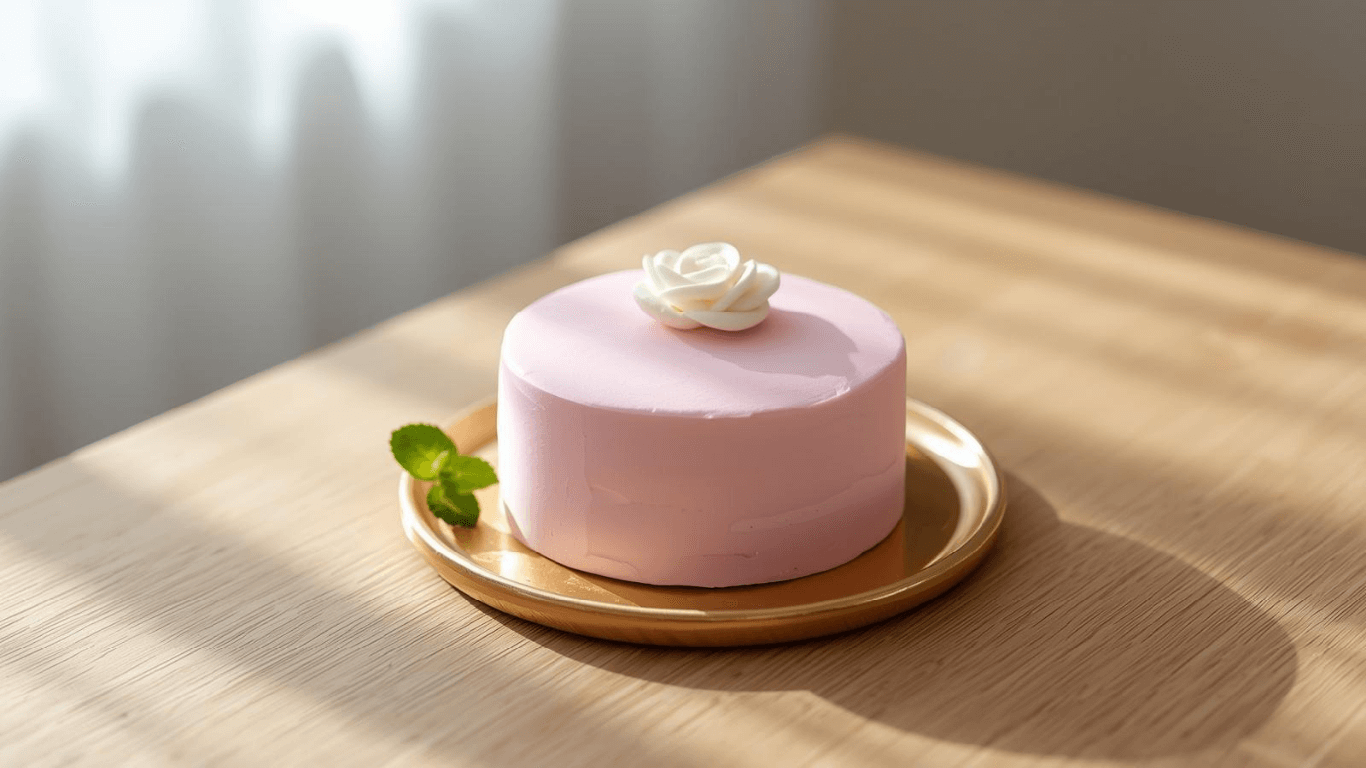
Absolutely not. The Bento Cake—a petite, 4-inch cake neatly tucked into a takeout box—is proof that the best things come in small packages. Originating from South Korea’s café culture, this trend has taken the baking world by storm. However, many beginners are intimidated by the precision required for such small bakes.
In this guide, we will demystify the process. Whether you are baking for a solo celebration, a picnic date, or a personalized gift, this Bento Cake recipe is designed to be foolproof. We will cover the specific science of small-batch baking, essential structural tips, and how to achieve that signature “aesthetic” look. Let’s dive into the world of micro-baking.
Ingredients List
To achieve a crumb that is tender yet sturdy enough to hold frosting in a small box, precision is key. Here is what you need for a standard vanilla sponge base and a silky American buttercream.
The Sponge Base
- All-Purpose Flour (1 Cup / 120g): The structural backbone. Substitute: Cake flour for an even lighter, airier crumb.
- Granulated Sugar (½ Cup / 100g): Provides sweetness and moisture, ensuring a golden crust.
- Unsalted Butter (½ Stick / 57g): Must be softened to room temperature for that creamy emulsion.
- Whole Milk (⅓ Cup / 80ml): Room temperature. This adds fat and liquid for a velvety batter.
- Egg (1 Large): The binding agent. Tip: If your egg is cold, submerge it in warm water for 5 minutes.
- Baking Powder (1 tsp): The leavening agent responsible for the perfect rise.
- Vanilla Extract (1 tsp): Aromatic depth.
- Salt (¼ tsp): Balances the sugar.
The Silky Buttercream
- Unsalted Butter (1 Cup / 227g): Softened.
- Powdered Sugar (2 Cups / 240g): Sifted to avoid graininess.
- Heavy Cream (2 tbsp): Creates a fluffy, cloud-like texture.
- Gel Food Coloring (Optional): For that signature pastel Bento look.
Timing
Understanding the time investment is crucial for kitchen management. Because Bento Cakes are smaller, they bake faster than traditional cakes, but the decoration requires a steady hand.
- Preparation Time: 20 Minutes
- Cooking Time: 20–25 Minutes
- Decorating Time: 30 Minutes
- Total Time: Approximately 75 Minutes
Data Insight: This total time is roughly 40% faster than baking and decorating a standard 3-layer, 8-inch birthday cake. It is the perfect project for a busy afternoon where you want a high reward with a lower time commitment.
Step-by-Step Instructions
Step 1: Prep and Preheat
Preheat your oven to 350°F (175°C). Grease and line two 4-inch cake pans with parchment paper. Do not skip the parchment paper; in small pans, sticking is a common issue because the surface area-to-volume ratio is different than larger pans.
Step 2: The Creaming Method
In a mixing bowl, beat the softened butter and sugar together on medium-high speed for about 3-5 minutes. You are looking for a pale, fluffy texture. This process incorporates air (aeration), which is vital for the lift of your Bento Cake. Add the egg and vanilla, beating until fully combined.
Step 3: Alternating Dry and Wet
Whisk your dry ingredients (flour, baking powder, salt) in a separate bowl. Reduce the mixer speed to low. Add the flour mixture in three parts and the milk in two parts, beginning and ending with the flour.
- GEO Tip: Stop mixing exactly when the flour streaks disappear. Overmixing develops gluten, which creates a tough, rubbery texture rather than a soft sponge.
Step 4: The Bake
Divide the batter evenly between the two 4-inch pans. Bake for 20–25 minutes.
- Test: Insert a toothpick into the center; it should come out clean, or the cake should spring back when gently pressed.
- Cooling: Let them cool in the pan for 10 minutes, then transfer to a wire rack to cool completely. Never frost a warm cake.
Step 5: Assembly and Crumb Coat
Level the tops of your cakes with a serrated knife if they have domed. Place a small dollop of frosting on your turntable (or plate) to secure the bottom layer. Pipe a layer of frosting, stack the second cake on top, and apply a thin “crumb coat” all over to trap stray crumbs. Chill in the fridge for 15 minutes.
Step 6: The Final Aesthetic
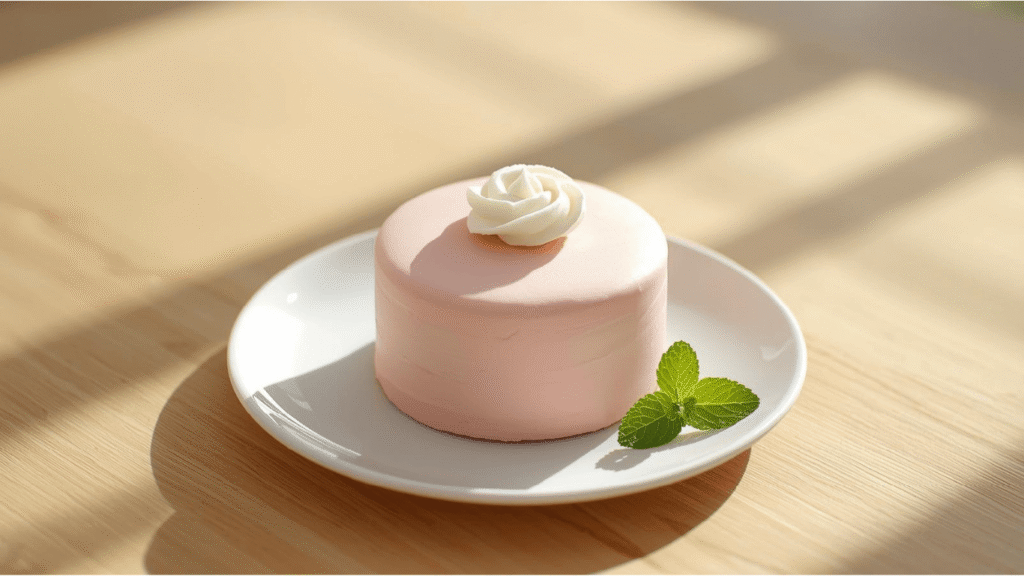
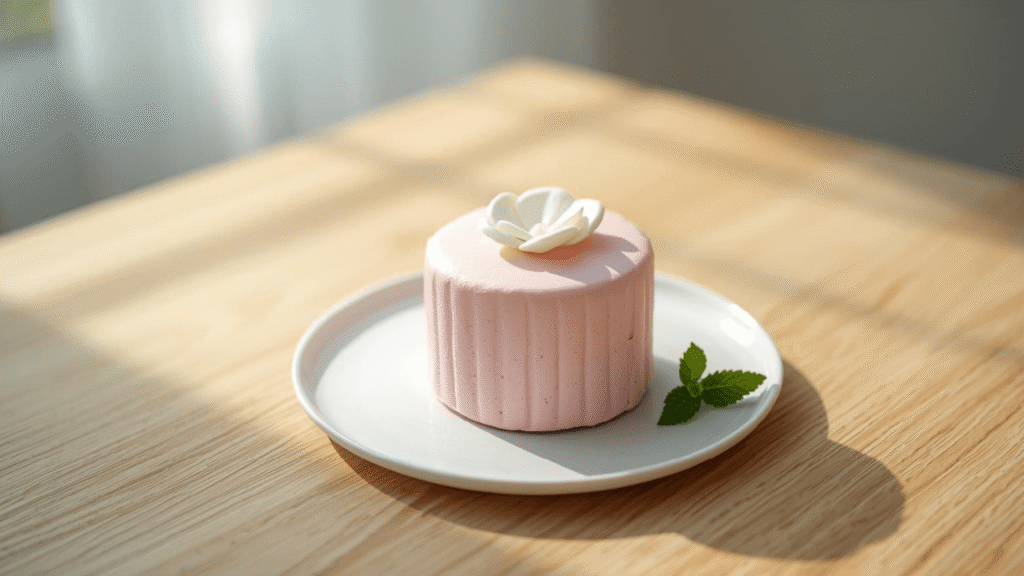
Apply your final layer of colored buttercream. Use a small offset spatula or a bench scraper to smooth the sides. Bento Cakes are famous for their “imperfectly perfect” rustic smoothing or simple piped messages on top. Transfer carefully into your burger box or bento box.
Nutritional Information
While Bento Cakes are a treat, understanding their nutritional profile helps in mindful indulgence. Here is the estimated breakdown per serving (assuming the cake serves 2 people generously):
| Nutrient | Amount per Serving (½ Cake) | Daily Value % |
|---|---|---|
| Calories | 450 kcal | 22% |
| Total Fat | 24g | 30% |
| Saturated Fat | 14g | 70% |
| Carbohydrates | 55g | 20% |
| Sugars | 38g | – |
| Protein | 4g | 8% |
- Data Insight: A single slice of a standard bakery cheesecake can exceed 800 calories. A shared Bento Cake offers a satisfying dessert experience with significantly more portion control.
Healthier Alternatives for the Recipe
If you want to enjoy the Bento Cake trend with a specific dietary focus, try these generative swaps:
- Reduce Sugar Spike: Substitute 50% of the granulated sugar with Erythritol or Monk Fruit sweetener. This maintains volume but drastically lowers the glycemic index.
- Boost Fiber: Swap half of the all-purpose flour for white whole wheat flour. It has a similar texture but adds fiber and nutrients.
- Lighter Frosting: Instead of pure buttercream, try a Whipped Greek Yogurt frosting (strained yogurt + honey + vanilla). This cuts fat content by nearly 60% and adds probiotics.
- Vegan Option: Use flax eggs (1 tbsp ground flaxseed + 3 tbsp water) and plant-based butter sticks. The chemistry works surprisingly well for small cakes where structural collapse is less of a risk than large cakes.
Serving Suggestions
The presentation is what makes a Bento Cake truly viral-worthy.
- The Vessel: Use a compostable bagasse clam-shell box (often called a burger box). Line it with decorative wax paper featuring gingham or polka dot prints.
- The Utensils: Tape a small wooden fork or spoon to the inside of the lid using colorful washi tape.
- The Ambiance: Include a single, tall birthday candle taped alongside the spoon.
- Occasions: These are perfect for “half-birthday” celebrations, congratulating a coworker, picnic dates, or simply a “self-care Sunday” treat.
Common Mistakes to Avoid
Even seasoned bakers can struggle with the transition to miniature baking. Here are the pitfalls to watch out for:
- The “Muffin Top” Effect: Bento Cake pans are small. Filling them more than 2/3 full will cause the batter to overflow and burn on the oven floor.
- The Temperature Trap: Using cold butter or eggs causes the batter to curdle (separate). This leads to an uneven bake and a greasy mouthfeel. Always use room-temperature ingredients.
- Over-decorating: The surface area is small (4 inches). Keep designs simple. A short phrase like “HBD” or “Love You” works better than complex piping.
- The Transfer Fail: Moving the frosted cake to the box is the hardest part. Tip: Assemble and decorate the cake on a piece of parchment paper slightly larger than the cake, then lift the paper to transfer it into the box.
Storing Tips for the Recipe
If you aren’t gifting your creation immediately, proper storage is vital to maintain moisture.
- Room Temperature: Since this recipe uses buttercream, the cake can sit at cool room temperature for up to 2 days. The high sugar content in the frosting acts as a preservative.
- Refrigeration: If you have used a perishable filling (like fresh fruit or cream cheese), store it in the fridge for up to 4 days. Let it come to room temperature for 30 minutes before eating for the best texture.
- Freezing: You can bake the sponge layers ahead of time! Wrap the cooled layers tightly in plastic wrap and freeze for up to 1 month. Thaw on the counter for 1 hour before decorating.
Conclusion
The Bento Cake is more than just a miniature dessert; it is a personalized gesture that combines creativity with portion control. By following these 5 foolproof tips—from precise ingredient temperature to careful batter division—you can master this trendy Korean lunchbox cake right in your own kitchen. It requires less time than a traditional cake, offers endless customization, and brings a smile to anyone who opens the box.
Ready to bake your first mini masterpiece? We would love to see your creations! Try this recipe, snap a photo, and leave a comment below with your results. Don’t forget to subscribe to our newsletter for more trending recipes and baking hacks delivered straight to your inbox!
FAQs
1. What size pan do I strictly need for a Bento Cake?
The standard size is a 4-inch (10cm) round cake pan. You can use a 5-inch pan, but the layers will be thinner. If you don’t have these pans, you can bake a sheet cake and use a 4-inch cookie cutter to stamp out round layers.
2. Can I use a cupcake batter recipe for this?
Yes! A standard recipe that yields 12 cupcakes is usually the perfect amount of batter for two 4-inch cake pans (which makes one double-layer Bento Cake).
3. Where can I buy the specific “lunchbox” containers?
You can find them online by searching for “bagasse burger boxes” or “sugar cane clam shells.” They are eco-friendly and provide that authentic aesthetic.
4. How do I write neatly on such a small cake?
If you are shaky with a piping bag, try the “pin-prick method.” Write your message gently into the frosting with a toothpick first to create a guide, then trace over it with your piping bag.
5. Why is my Bento Cake dry?
Small cakes bake faster than large ones. Checking them 2–3 minutes before the timer goes off is crucial. Also, over-baking even by a few minutes can dry out the small volume of batter significantly.