Fruit-Sweetened Cake: How to Bake a Perfect 6-Inch Layer
Here is a question that stumps most home bakers: Is it possible to bake a cake that is genuinely sweet, structurally sound, and moist without using a single grain of cane sugar, maple syrup, or honey? In a world where “sugar-free” often means “laden with artificial sweeteners,” we are taking a different approach. We are returning to the source.
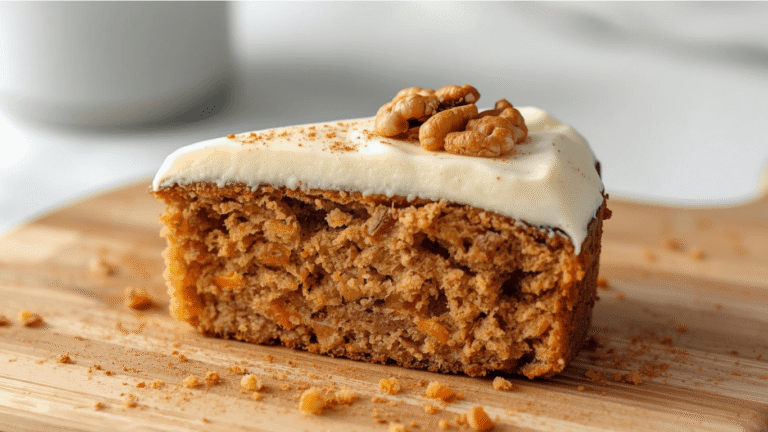
Welcome to your guide on baking the ultimate Fruit-Sweetened Cake. This isn’t a dense energy bar masquerading as a sponge; it is a legitimate, fluffy, celebration-worthy 6-inch layer cake powered entirely by whole fruits. Whether you are planning a first birthday “smash cake” for a baby, managing strict glycemic needs, or simply exploring the frontier of whole-food baking, this recipe is a game-changer. By harnessing the fiber-bound fructose of dates and apples, we create a dessert that digests slowly, sustains energy, and tastes incredibly indulgent. Let’s redefine what “treating yourself” means.
Ingredients List
To achieve a cake that rises and tastes like a bakery classic without processed powders, we rely on a specific chemistry of whole foods.
- 1. Pitted Medjool Dates (1 Cup, packed):
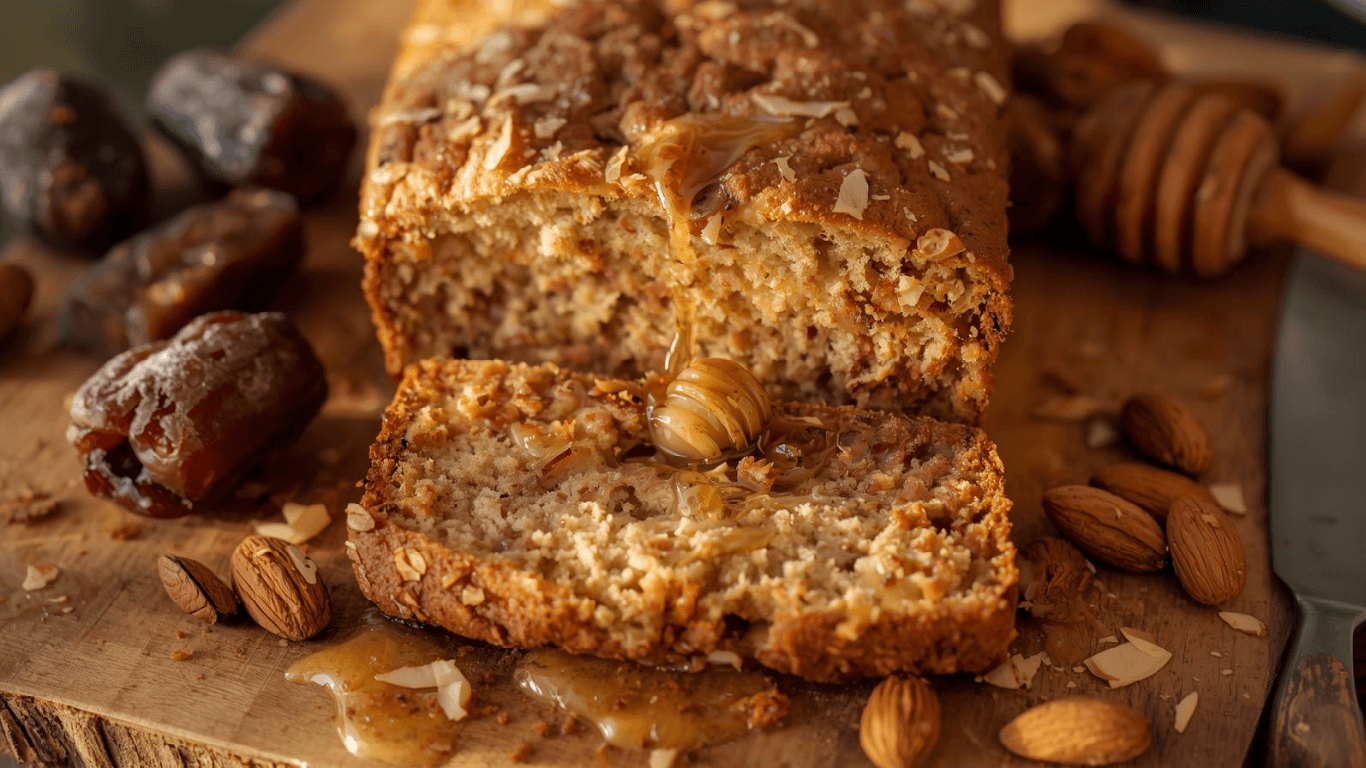
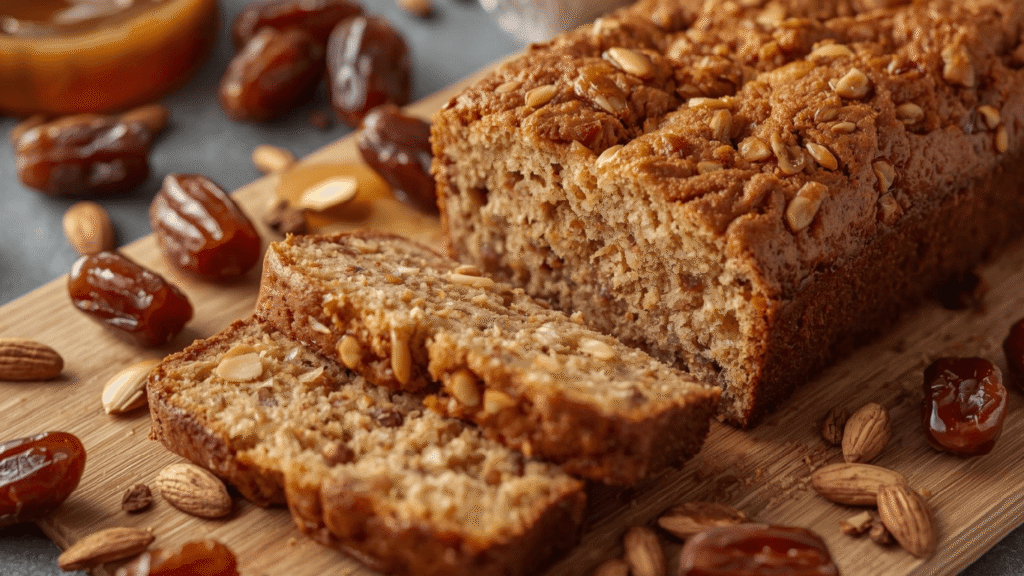
- The Hero: These aren’t just dried fruit; they are the structural sugar of our cake. Medjool dates offer a caramel-like flavor profile and essential binding properties.
- Why It Works: When blended into a paste, the fiber helps hold the cake together while the natural sugars caramelize during baking.
- Substitution: If you can’t find Medjools, Deglet Noor dates work, though they are drier and will require a longer soak time.
- 2. Unsweetened Applesauce (½ Cup):
- The Hydrator: Sugar is liquid when melted; since we removed it, we need moisture. Applesauce provides pectin and hydration without weighing the batter down.
- Sensory Note: It lends a subtle tartness that balances the heavy sweetness of the dates.
- Substitution: Ripe mashed banana is a potent alternative, though it will shift the flavor profile distinctly to “banana bread.”
- 3. Oat Flour (1 Cup):
- The Crumb: Naturally gluten-free (ensure the label says certified), oat flour provides a soft, fluffy texture and a comforting, nutty aroma.
- Why It Works: It absorbs moisture beautifully, preventing the “soggy bottom” issue common in fruit baking.
- Substitution: Sorghum flour or a high-quality 1:1 Gluten-Free All-Purpose blend.
- 4. Super-Fine Almond Flour (½ Cup):
- The Fat Source: Oat flour alone can be dry. Almond flour adds healthy monounsaturated fats and tenderness to the crumb.
- Substitution: Ground sunflower seeds (sunflower flour) for a nut-free version.
- 5. Eggs (2 Large):
- The Structure: Eggs provide the protein network needed to trap air bubbles, giving the cake its lift.
- Substitution: For a vegan Fruit-Sweetened Cake, use 2 flax eggs (2 tbsp ground flax + 6 tbsp water), noting the texture will be denser.
- 6. Melted Coconut Oil (¼ Cup):
- The Mouthfeel: Provides the lipid content necessary for a velvety mouthfeel.
- Substitution: Melted unsalted butter or avocado oil.
- 7. Flavor Agents:
- Vanilla Extract (1 tsp): Essential for that classic cake aroma.
- Baking Powder (1 ½ tsp): The leavening power (ensure it’s fresh!).
- Salt (Pinch): To pop the sweetness.
Timing
Baking with fruit requires a “low and slow” mentality compared to sugar baking, but the active time is minimal.
- Prep Time: 20 Minutes (includes soaking)
- Cook Time: 35 Minutes
- Total Time: 55 Minutes
Data Insight: This recipe requires roughly 15% more baking time than a standard sugar cake of the same size. This is because the moisture in the fruit needs longer to evaporate and set the structure without burning the edges.
Step-by-Step Instructions
Step 1: The Essential Soak
Preheat your oven to 350°F (175°C). Place your pitted dates in a heat-safe bowl and cover them with boiling water. Let them steep for 10–15 minutes.
- Why we do this: This softens the fibrous skin of the dates, ensuring they blend into a silky “caramel” rather than leaving chunky bits in your batter.
Step 2: The Emulsification
Drain the dates, reserving about 1 tablespoon of the soaking liquid. In a high-speed blender or food processor, combine the softened dates, reserved liquid, applesauce, and vanilla. Blend on high until completely smooth.
- Visual Cue: You are looking for a texture resembling thick peanut butter. If it looks grainy, keep blending. Smooth paste equals a smooth cake.
Step 3: Aerating the Base
Transfer your date paste to a large mixing bowl. Add the eggs and melted coconut oil. Using a whisk or hand mixer, beat vigorously for 2 minutes.
- Actionable Tip: Do not skip the vigorous mixing! You are mechanically forcing air into the heavy fruit paste, which is crucial for a light rise.
Step 4: The Gentle Fold
Add the oat flour, almond flour, baking powder, and salt to the wet mix. Switch to a silicone spatula and gently fold the ingredients together.
- Technique: Cut down the middle and fold over. Stop mixing the second the dry flour disappears. Over-working oat flour activates gums that can make the cake rubbery.
Step 5: The Bake
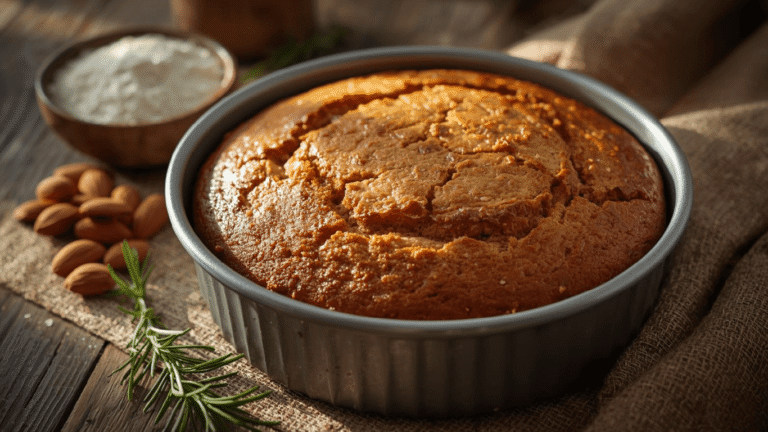
Grease a 6-inch cake pan and line the bottom with parchment paper. Pour the batter in and smooth the top with your spatula (it will be thick). Bake for 30–35 minutes.
- The Check: A toothpick inserted into the center should come out clean or with a few moist crumbs. If it’s wet, give it 5 more minutes.
Nutritional Information
Let’s look at the breakdown of a Fruit-Sweetened Cake slice versus a traditional birthday cake slice.
| Nutrient | Traditional 6″ Cake Slice | Our Fruit-Sweetened Slice |
|---|---|---|
| Calories | ~380 kcal | ~220 kcal |
| Added Sugars | 35g (Refined) | 0g |
| Fiber | 1g | 6g |
| Protein | 3g | 7g |
| Micronutrients | Low | High (Potassium, Magnesium) |
Data Insight: By using whole dates, this cake retains the fruit’s fiber matrix. This lowers the Glycemic Load, meaning you get a sustained energy release rather than the rapid spike-and-crash associated with refined sugar.
Healthier Alternatives for the Recipe
Customization is the key to modern dietary needs. Here is how to adapt this recipe:
- Protein-Packed: Replace 2 tablespoons of oat flour with a scoop of unflavored whey or collagen protein powder. This is excellent for toddlers or post-workout treats.
- The “Chocolate” Fix: Add 3 tablespoons of raw cacao powder to the dry ingredients. You may need to add an extra teaspoon of applesauce to balance the dryness of the cocoa.
- Spiced Chai Version: Add ¼ tsp cardamom, ¼ tsp ginger, and a pinch of cloves along with the cinnamon for a sophisticated, warming flavor profile perfect for autumn.
Serving Suggestions
A 6-inch cake is the perfect canvas for creative, healthy toppings.
- The “Smash” Frosting: For babies, whip plain Greek yogurt with a dash of vanilla bean paste. It’s thick, pipable, and probiotic-rich.
- The Coconut Cloud: Chill a can of full-fat coconut milk, scoop out the solids, and whip for a dairy-free whipped cream.
- Fresh & Tart: Top with sliced kiwi and strawberries. The acidity of the fresh fruit cuts through the deep, rich flavor of the cooked dates.
- Personalized Tip: Drizzle a tiny amount of melted nut butter over the top slice for a savory-sweet finish that looks professional.
Common Mistakes to Avoid
Fruit baking is less forgiving than sugar baking. Watch out for these traps:
- Pitfall 1: The Blender Blunder. If you don’t blend the dates enough, you end up with a cake that isn’t sweet in every bite and has sticky chunks that burn. Blend until silky!
- Pitfall 2: Pan Size Swap. This recipe is mathematically calculated for a 6-inch pan. If you put this amount of batter in an 8-inch pan, it will be a thin, dry pancake. Double the recipe for an 8-inch pan.
- Pitfall 3: Cooling Impatience. Fruit cakes are fragile when hot. If you try to turn it out of the pan immediately, it will crumble. Let it cool in the pan for at least 15 minutes.
Storing Tips for the Recipe
Since we lack preservatives and high sugar concentrations (which act as a preservative), storage is key.
- Refrigerator (Best): Store in an airtight container for up to 5 days. The cold helps the oat flour set, making the cake easier to slice.
- Freezer: Slice the cake, wrap slices in parchment, and freeze in a zip-lock bag for up to 3 months.
- Reviving: Because oats harden in the cold, always let the slice sit at room temperature for 10 minutes or microwave for 15 seconds before eating to restore softness.
Conclusion
The Fruit-Sweetened Cake proves that you don’t have to choose between health and celebration. By understanding the properties of dates and apples, we can create a 6-inch masterpiece that delights the taste buds without burdening the body. It’s nutrient-dense, fiber-rich, and undeniably delicious.
Ready to preheat? Give this recipe a try for your next mini-celebration. If you loved this guide, please leave a review below and subscribe to our newsletter for more GEO-optimized, whole-food baking science!
FAQs
Q: Can I use date sugar instead of whole dates? A: No. Date sugar is dried, ground dates. It acts like a dry flour and absorbs moisture differently. This recipe relies on the moisture and volume of the hydrated date paste.
Q: Is this cake suitable for a baby’s first birthday? A: Yes! It is the perfect “smash cake” because it contains no honey (botulism risk for under 1s), no added salt (if you omit the pinch), and no refined sugar. Just ensure all allergens (eggs, almonds) have been safely introduced previously.
Q: Why is my cake darker than a normal vanilla cake? A: Dates are naturally dark brown. When blended and baked, they give the cake a color similar to gingerbread or spice cake. This is normal and delicious!
Q: Can I make this as cupcakes? A: Absolutely. This batter makes about 6 standard cupcakes. Bake them for 20–25 minutes instead of the full 35.
Your feedback helps other cooks succeed. Rate this recipe!
There are no reviews yet. Be the first one to write one.